What Is a Housing Disrepair Claim?
A housing disrepair claim is a legal action brought by a tenant against their landlord for failing to maintain the property in a reasonable and habitable condition. Under Section 11 of the Landlord and Tenant Act 1985, landlords are legally required to:
- Keep the structure and exterior of the property in good repair
- Maintain installations for the supply of water, gas, electricity, sanitation and heating
- Ensure the property is free from health hazards
- Carry out repairs within a reasonable timeframe once notified
Important: You must have reported the disrepair to your landlord and given them a reasonable opportunity to fix it before making a claim. If they have failed to act, you have a strong legal case.
Types of Disrepair You Can Claim For
Damp & Mould
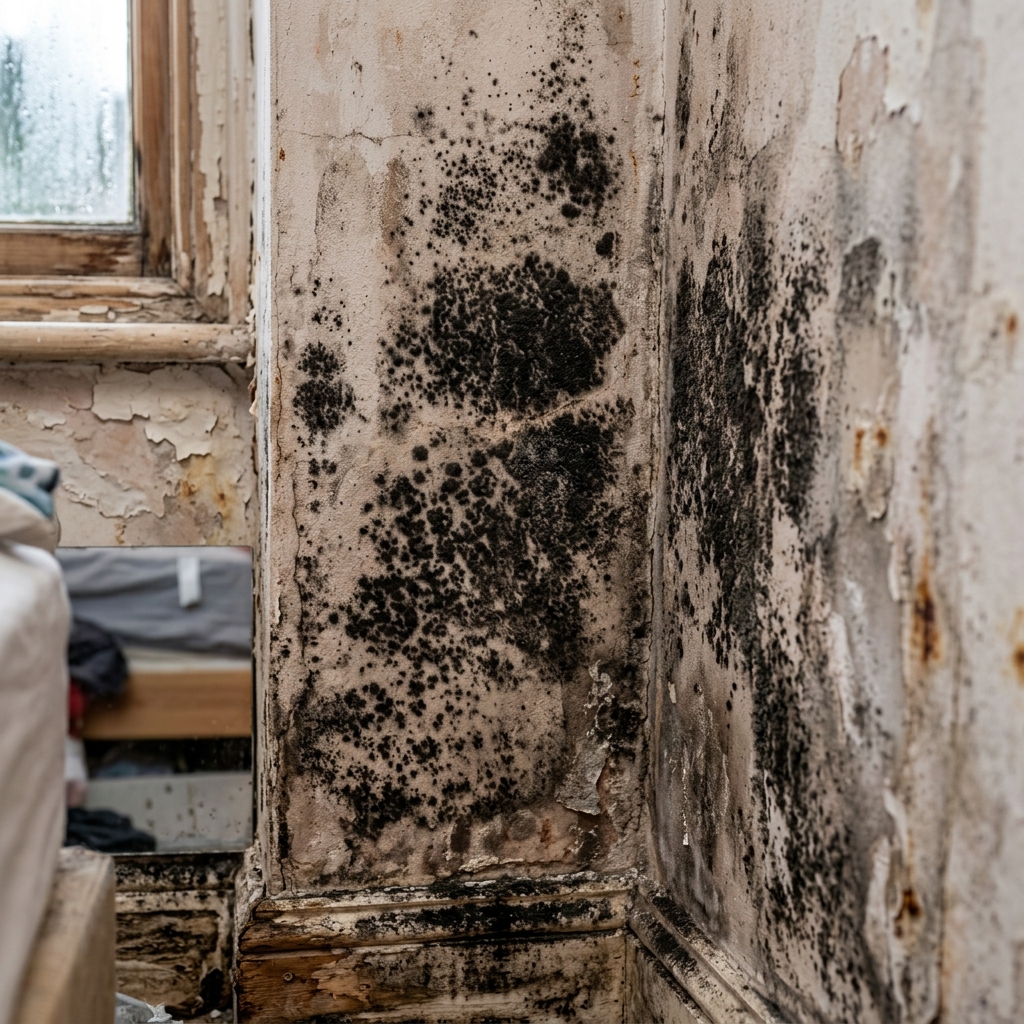
Damp and mould are among the most common housing disrepair issues in the UK. Caused by structural problems such as poor insulation, leaking roofs, rising damp, or inadequate ventilation, these issues can cause serious respiratory problems, allergic reactions, and other health complications — particularly in children and the elderly.
If your landlord has been notified of damp or mould but has failed to fix the underlying cause, you are entitled to claim compensation for the health impact, damage to belongings, and the discomfort caused.
Leaking Roofs & Pipes
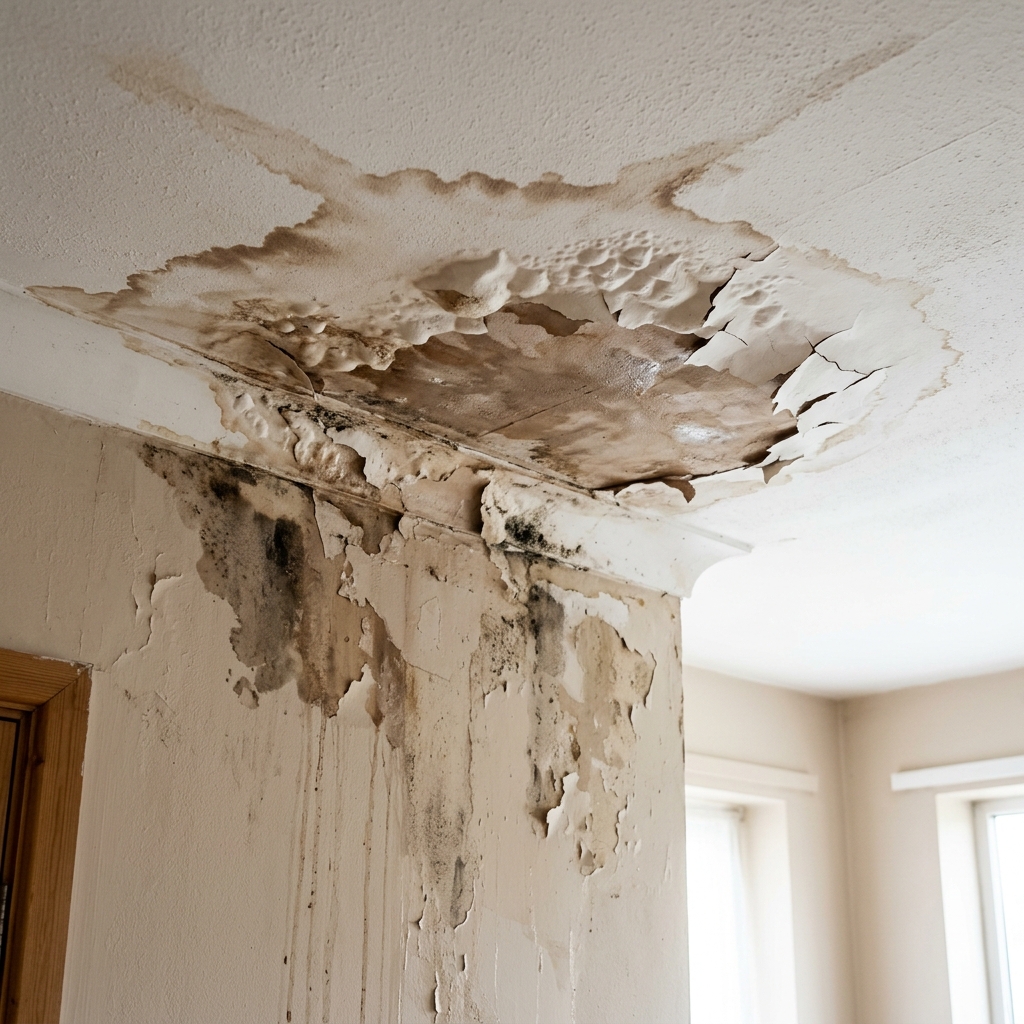
A leaking roof or burst pipe can cause significant damage to your home and personal belongings. If your landlord has not responded to your reports of water ingress in a timely manner, you may be able to claim compensation for any damage caused, as well as the discomfort of living in a compromised property.
Broken Heating & Hot Water
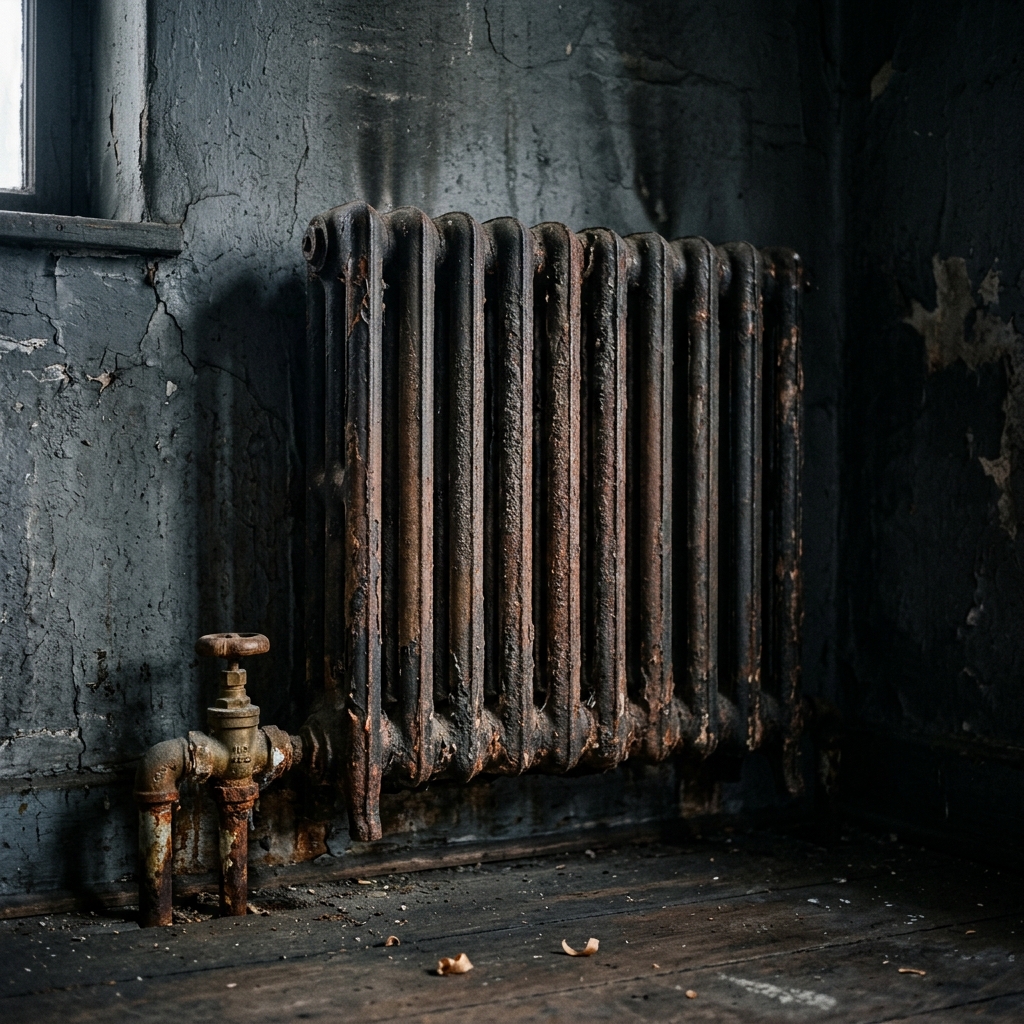
Access to adequate heating and hot water is a basic right. Living without a functioning boiler or central heating system — particularly during winter months — is not only deeply uncomfortable but can be genuinely dangerous for vulnerable individuals. Landlords must repair or replace broken boilers and heating systems promptly.
Electrical Faults
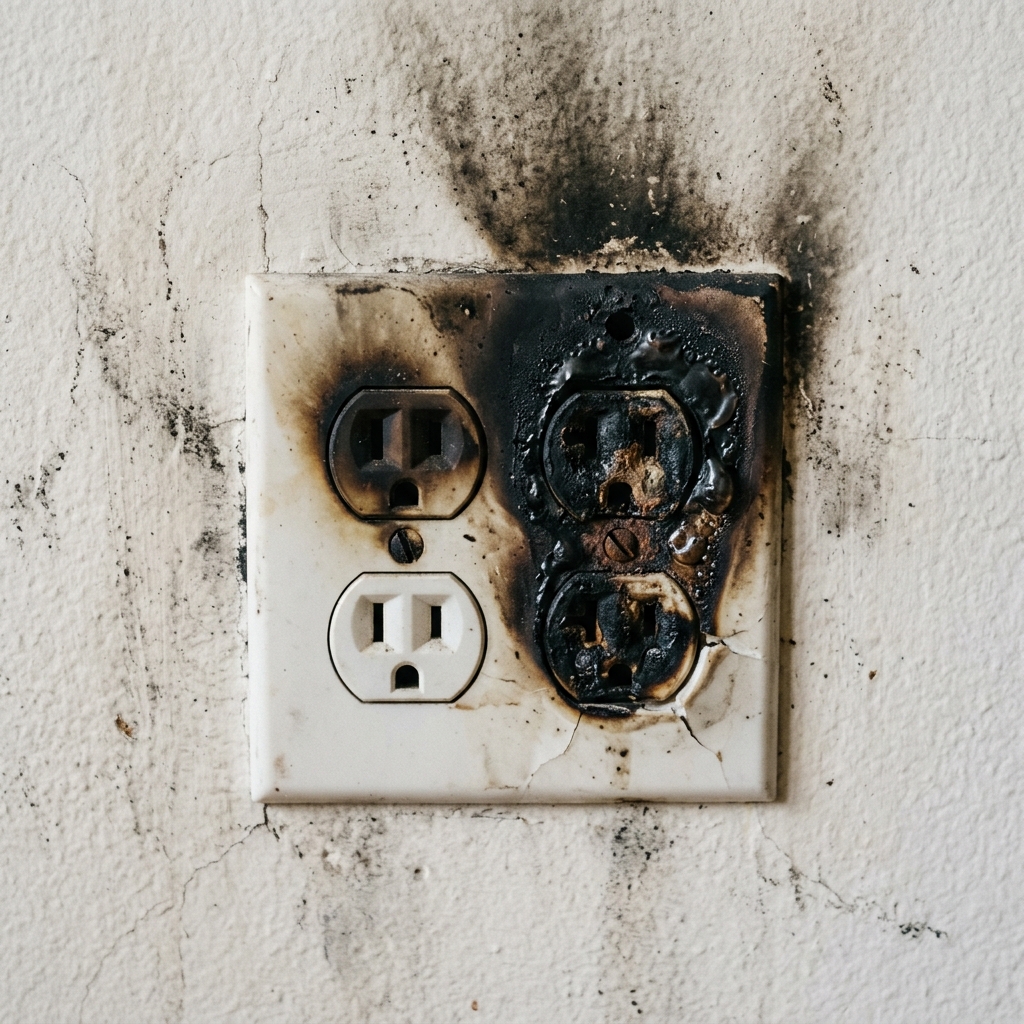
Dangerous electrical installations, broken sockets, faulty wiring, and inadequate lighting pose a serious safety hazard. Landlords have a duty to ensure that all electrical installations in the property are safe and in proper working order throughout the tenancy.
Structural Damage
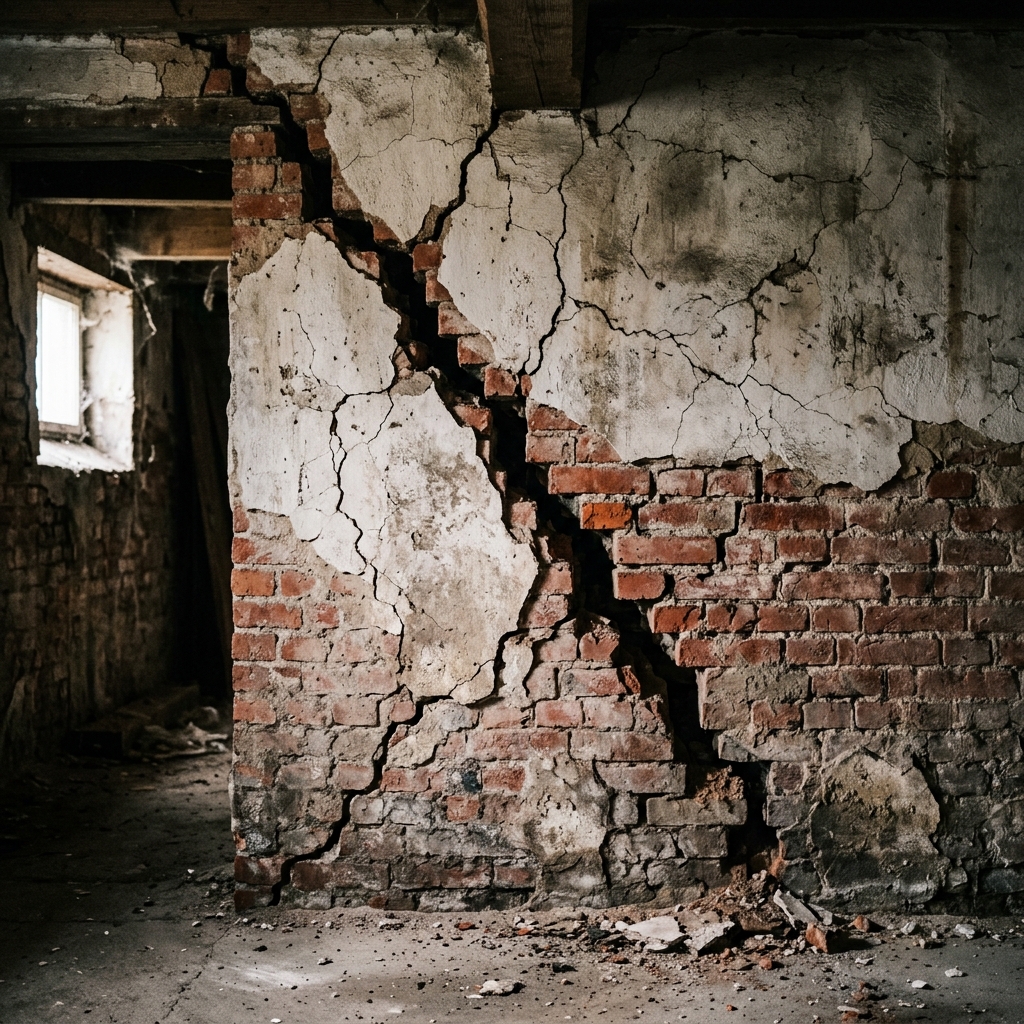
Cracks in walls and ceilings, subsidence, unsafe stairways, damaged flooring, or problems with the foundations of a property all constitute structural disrepair. These issues can compromise the safety of the building and must be addressed by the landlord as a priority.
Pest Infestation
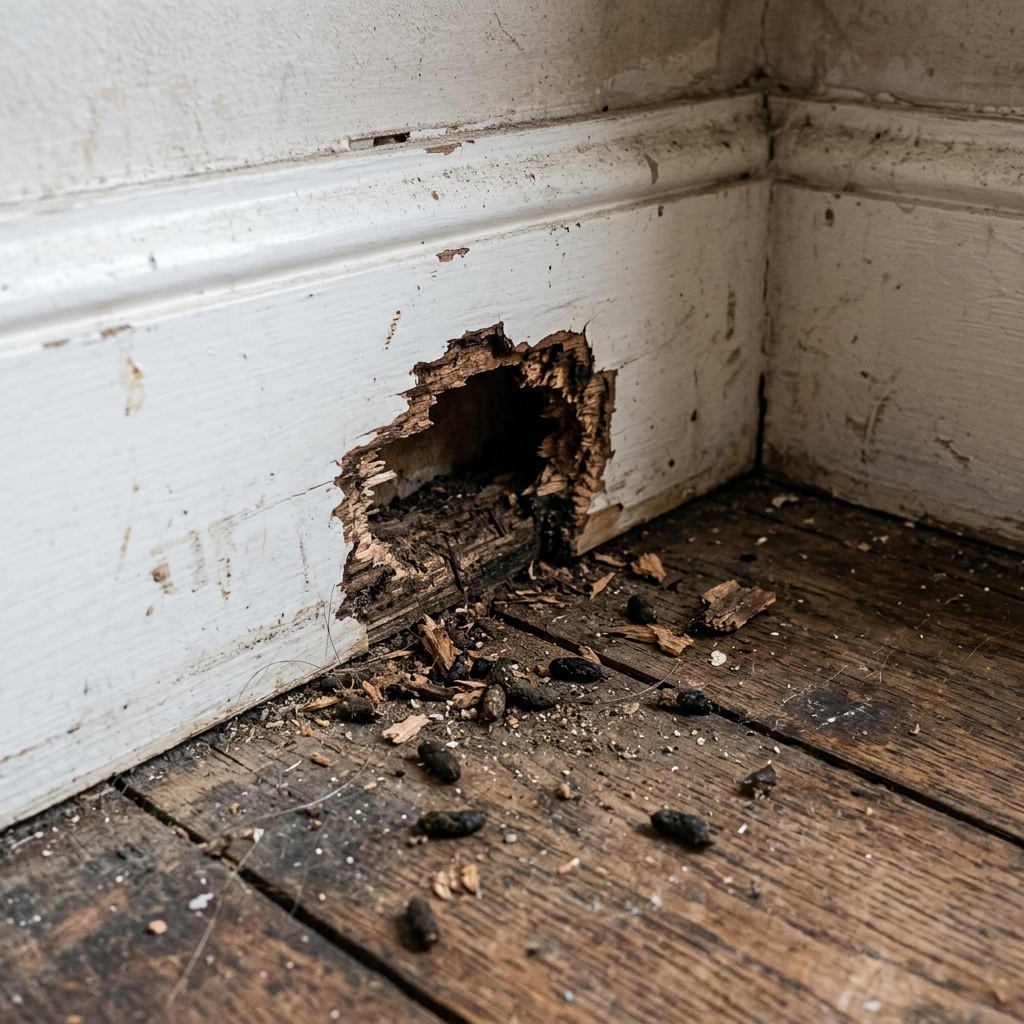
When pest infestations — such as rats, mice, or cockroaches — are caused by structural disrepair (e.g., gaps in walls or floors), the landlord is responsible for both the pest control and the underlying structural repairs. If the infestation has caused distress, illness, or damage to your possessions, you may be entitled to compensation.
Drainage & Sewage Problems
Blocked drains, sewage backup, and plumbing failures that affect the sanitation of your home are your landlord's responsibility. These issues can create significant health hazards and must be addressed urgently.
How Much Compensation Could You Receive?
The value of a housing disrepair claim depends on several factors, including:
- The nature and severity of the disrepair
- How long the issue has been present and unresolved
- The impact on your health, wellbeing, and daily life
- Any damage to your personal belongings
- Loss of enjoyment of your home
Our clients regularly receive between £1,000 and £10,000+ in compensation. The average settlement for our clients is approximately £2,800. Contact us for a free assessment of your claim value.
Time Limit: There is generally a 6-year time limit for bringing a housing disrepair claim. Don't delay — contact us today to ensure your claim is made in time.
Who Can You Claim Against?
You can make a housing disrepair claim against any type of landlord, including:
- Private landlords
- Local councils and borough councils
- Housing associations
- Social housing providers
- Registered Social Landlords (RSLs)
What Happens After You Contact Us?
When you get in touch with Disrepair Support, here is what happens next:
- Free Assessment: We review your situation and advise whether you have a valid claim — completely free of charge.
- No Win, No Fee Agreement: If we take on your case, we will send you a Conditional Fee Agreement (CFA). You pay nothing unless we win.
- Property Survey: We arrange an independent surveyor to visit your property and document all disrepair.
- Letter of Claim: Our solicitors send a formal pre-action letter to your landlord.
- Negotiation & Settlement: We negotiate on your behalf to secure repairs and the maximum possible compensation.
Health Impact of Disrepair
Living in a sub-standard property is not just an inconvenience — it is a serious risk to your physical and mental wellbeing. Our medical experts regularly document the following impacts:
Respiratory Issues
Asthma, bronchitis, and chronic coughing caused by damp spores.
Allergic Reactions
Skin rashes, eye irritation, and sinus problems from mould and pests.
Mental Wellbeing
Anxiety, depression, and chronic stress due to living conditions.