Frequently Asked Questions
Find answers to the most common questions about housing disrepair claims, your tenant rights, and how our No Win, No Fee process works.
Find answers to the most common questions about housing disrepair claims, your tenant rights, and how our No Win, No Fee process works.
A housing disrepair claim is a legal action taken by a tenant when their landlord has failed to carry out necessary repairs to the property. Under Section 11 of the Landlord and Tenant Act 1985, landlords must maintain the structure, exterior, and key installations of rented properties. If they fail to do so after being notified, you have the right to claim both repairs and financial compensation.
Any tenant renting from a private landlord, local council, housing association, or social housing provider can make a housing disrepair claim — provided the disrepair was reported to the landlord and they failed to act within a reasonable time. The issue must have occurred within the last 6 years.
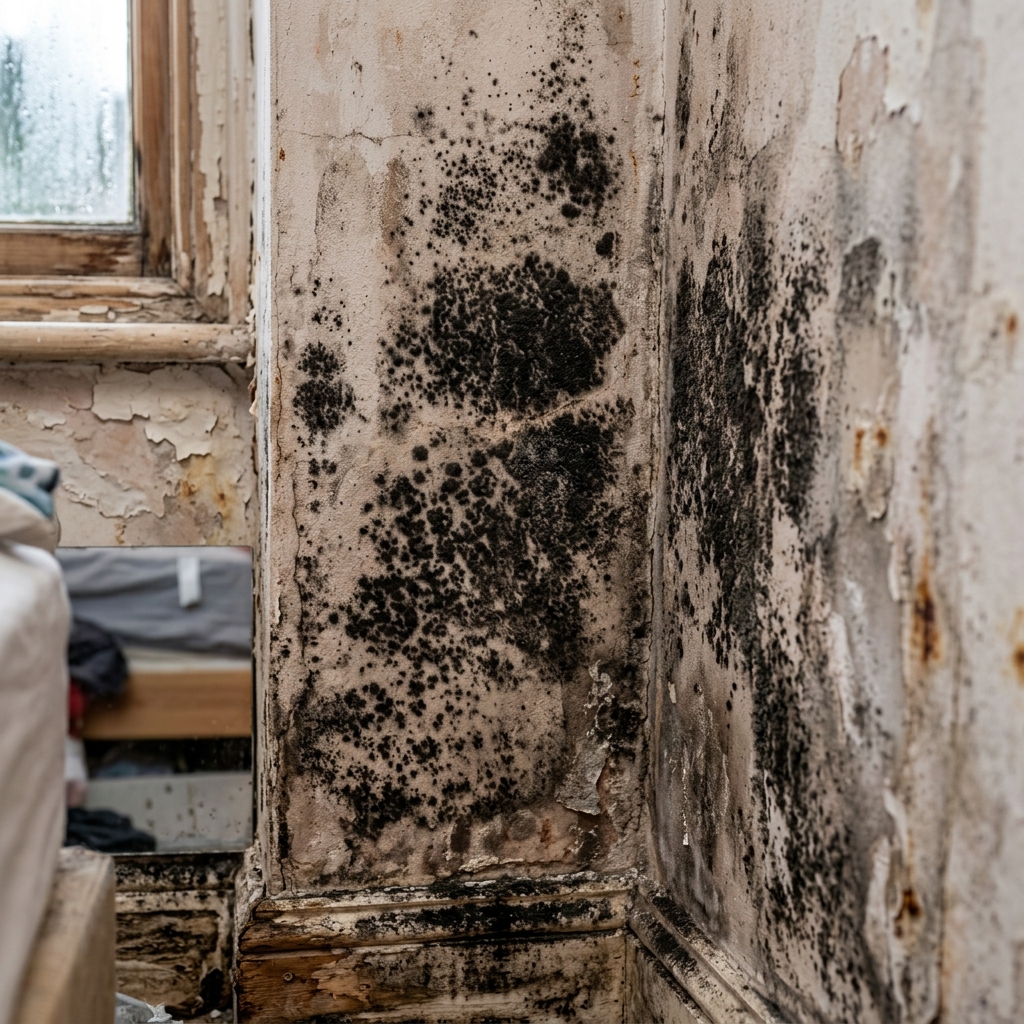
You can claim for a wide range of issues including: damp and mould, leaking roofs and pipes, broken heating and hot water, electrical faults, structural damage (cracks, subsidence, unsafe floors), pest infestations caused by structural disrepair, sewage and drainage problems, and broken doors or windows. If your landlord is responsible for fixing it and hasn't, you likely have a claim.
No. We handle claims against all types of landlords — private landlords, local councils, housing associations, Registered Social Landlords (RSLs), and housing companies. The legal obligations are identical regardless of the type of landlord.
Yes. You can still make a housing disrepair claim after you have vacated the property, provided the disrepair occurred within the last 6 years. We regularly handle retrospective claims on behalf of former tenants.
Compensation depends on the severity of the disrepair, how long it was unresolved, its impact on your health and daily life, and any financial losses you suffered. Our clients typically receive between £1,000 and £10,000+, with an average settlement of approximately £2,800. We will give you an honest estimate of your claim's value during the free assessment.
No Win, No Fee (formally called a Conditional Fee Agreement or CFA) means you pay absolutely nothing upfront, nothing during the case, and nothing at all if we don't win. If we win, our fee is taken as a percentage of the compensation you receive — this percentage is agreed and clearly explained before you sign anything. There are no hidden charges.
No. We are completely transparent about our fees. The only amount you pay is an agreed percentage of your compensation if your claim is successful. We fund the surveyor's report, legal correspondence, and all other costs. You will never receive a surprise bill.
You can claim for: general damages (loss of enjoyment and comfort of your home), health impacts including respiratory problems caused by damp and mould, damaged personal belongings, additional costs incurred (e.g., temporary accommodation, laundry costs), and special damages for any specific financial losses directly caused by the disrepair.
No. Retaliatory eviction — where a landlord tries to evict a tenant for reporting disrepair — is illegal under the Deregulation Act 2015. If your landlord attempts to evict you in response to a disrepair claim, we will take additional legal action to protect your tenancy. You should not be deterred from exercising your legal rights.
If your landlord ignores or unreasonably delays carrying out repairs after you have reported them in writing, you have strong grounds for a legal claim. Contact us and our solicitors will send a formal Letter of Claim, which landlords are legally required to respond to under the Pre-Action Protocol for Housing Disrepair Cases.
Ideally, yes. Written evidence (emails, texts, letters) of your disrepair reports greatly strengthens your claim. However, if you only reported verbally, you may still have a valid claim. Contact us and our team will advise you on the best approach given your specific circumstances.
Generally, yes — there is a 6-year limitation period for housing disrepair claims. This means the disrepair must have occurred within the last 6 years. We strongly advise acting as soon as possible to ensure your claim is made in time and to maximise your potential compensation.
Most claims are resolved within 3–6 months. Urgent cases involving serious health hazards can be expedited. Straightforward cases where the landlord is cooperative can settle faster; contested cases may take up to 12 months. We will keep you fully informed throughout and give you realistic expectations at the outset.
The vast majority of housing disrepair cases — over 95% — are settled out of court through negotiation. If your case does need to go to court, our solicitors will handle all proceedings and represent you fully. You will not need to attend alone or manage any paperwork yourself.
An independent, RICS-accredited surveyor will visit your property to conduct a thorough inspection. They will document all disrepair, assess its severity, and produce a detailed written report. This survey is arranged and funded by us — you do not pay for it. The report forms a key part of the legal evidence in your claim.
Very little. Our team handles the entire process on your behalf. You'll need to provide us with any evidence you have, allow the surveyor access to the property, and respond to any queries we have. Other than that, we take care of everything — correspondence, legal documents, negotiations, and settlements.
Yes. The fact that your landlord has begun repairs does not prevent you from claiming compensation for the period during which the disrepair existed. You are entitled to compensation for the time you were affected, regardless of whether repairs have since started or been completed.
Our specialist team is available Monday–Friday 8am–8pm and Saturday 9am–5pm. We're happy to answer any questions about your situation — completely free of charge.