
Your Comprehensive Rights as a Tenant
As a tenant in England and Wales, you have strong legal protections regarding the condition of your rented home. The law places clear obligations on landlords to maintain properties to a safe and habitable standard.
Key Legal Protections
Landlord and Tenant Act 1985
Section 11 requires landlords to keep the structure, exterior, and key installations in good repair throughout the tenancy.
Homes (Fitness for Human Habitation) Act 2018
Landlords must ensure properties are fit for human habitation — free from serious hazards including damp, mould, and dangerous structures.
Deregulation Act 2015
Protects you from retaliatory eviction when you report disrepair. A landlord cannot legally evict you in response to a legitimate disrepair complaint.
Housing Act 2004 (HHSRS)
The Housing Health and Safety Rating System gives councils the power to take enforcement action against landlords who allow hazardous conditions to persist.
Step-by-Step: How to Make a Housing Disrepair Claim
Step 1 — Report the Disrepair to Your Landlord
Before making a legal claim, you must notify your landlord of the disrepair. Always do this in writing — by email, text message, or recorded letter — so you have a clear, dated record. Keep copies of all correspondence. Your landlord must be given a "reasonable time" to carry out repairs (typically 21–28 days for non-emergency issues).
Step 2 — Document Everything
Gather as much evidence as possible:
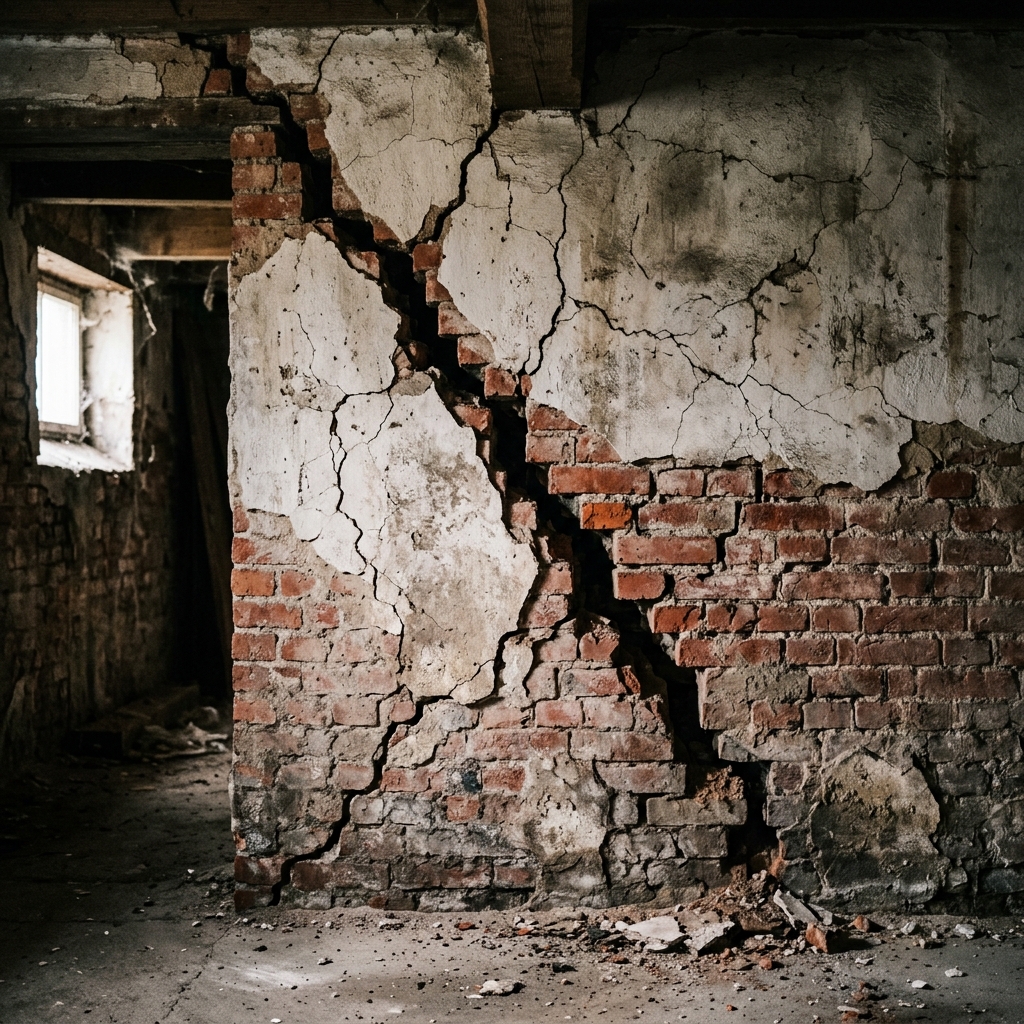
- Photographs and videos of the disrepair (date-stamped if possible)
- All written communications with your landlord
- Medical records if the disrepair has affected your health
- Receipts for any damaged belongings or additional costs incurred
- Notes on when the disrepair started and how it has affected daily life
Step 3 — Contact Disrepair Support for a Free Assessment
Call us on 0161 814 7270 or complete our online form. Our specialist team will review your case for free and advise whether you have a valid claim. There is no obligation, and the assessment is completely free of charge.
Step 4 — Sign a No Win, No Fee Agreement
If we take on your case, we'll send you a Conditional Fee Agreement (CFA). This confirms that you pay nothing unless we win your case. We'll explain the agreement clearly before you sign anything — no pressure, no hidden fees.
Step 5 — Independent Property Survey
We arrange for a qualified, independent surveyor to visit your property and produce a detailed report documenting all disrepair. This survey is funded by us — you pay nothing. The surveyor's report is a critical piece of evidence in your claim.
Step 6 — Letter of Claim Sent to Landlord
Our solicitors send a formal Letter of Claim to your landlord in accordance with the Pre-Action Protocol for Housing Disrepair Cases. This gives the landlord a final opportunity to agree to carry out repairs and negotiate compensation before court proceedings are initiated.
Step 7 — Negotiation and Settlement
Most cases are settled at this stage without going to court. Our solicitors negotiate firmly on your behalf to secure the maximum compensation available. The settlement will typically cover: rent reduction for the period of disrepair, compensation for health impacts, reimbursement for damaged belongings, and a commitment to completing all repairs.
Step 8 — Repairs Completed & Compensation Paid
Once a settlement is reached, your landlord must complete all agreed repairs within a set timeframe. Your compensation is paid directly to you. Our fee is deducted only from the compensation amount — never charged separately.
How long does a claim take? Most claims are resolved within 3–6 months. Urgent cases involving serious health hazards can be expedited. Complex or contested cases may take longer. We will keep you fully updated throughout the entire process.
What Evidence Do You Need?
The stronger your evidence, the stronger your claim. Here is what you should collect before or during the claims process:
- Photos and videos: Document the disrepair visually with dates. Include close-ups and wider shots showing context.
- Written communications: All emails, texts, and letters reporting the issue to your landlord.
- Landlord responses: Any replies (or lack thereof) from your landlord or their agents.
- Medical records: GP letters, hospital records, or prescriptions if the disrepair has caused health problems.
- Receipts: Any costs incurred as a result of the disrepair (e.g., replacing mould-damaged clothing or bedding, using a launderette due to a broken washing machine connection, hotel costs if the property became uninhabitable).
- Diary/log: A written record of when the issue started, how it progressed, and how it has affected your daily life.
Can I Still Claim If I've Moved Out?
Yes. You can still make a housing disrepair claim after you have left the property, provided the disrepair occurred within the last 6 years. We handle retrospective claims on a regular basis and can still help you secure compensation for the period you were affected.
Will Making a Claim Affect My Tenancy?
No. It is unlawful for a landlord to evict or penalise you for making a legitimate housing disrepair claim. This protection is enshrined in the Deregulation Act 2015. If your landlord attempts a retaliatory eviction, we can take additional legal action to protect your tenancy.